Take3 days ago
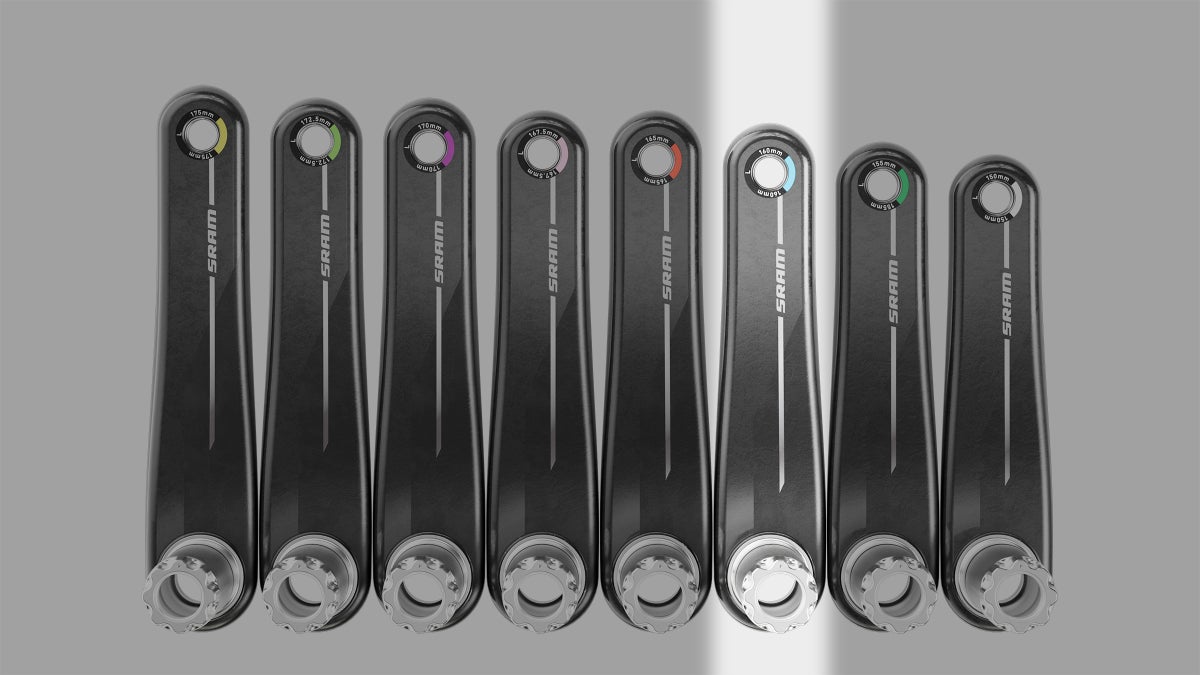
A shorter crank is a fit change, and the saddle has to move with it. Phil Burt sees very little downside to shorter cranks, but only if saddle height and setback are adjusted for the new hip and knee angles. Swap the crank and leave the saddle, and you have changed the position without fixing it.
The power case is thin: of seven studies reviewed by Pinkbike, three suggested possible benefits and the rest found no difference in power or efficiency. MyVelofit puts the move from 175mm to 165mm at a 0.35 percent power change, and says the real effect is a more open hip and knee angle at the top of the stroke. A 2024-era study of high-level amateur road riders found 165mm and 170mm cranks reduced perceived fatigue against 175mm, but also warned that shorter cranks may not give enough torque for sprints or climbs. Cycling Weekly adds that sprinters have seen lower peak power, though most riders are unaffected.
Sources
Are shorter cranks worth the hype? What science says about power production, fit and comfortWhy Shorter Cranks Are Better (According To Science) - PinkbikeCrank Length & Bike Fit: Myths DebunkedEffects of crank length on cycling efficiency, sprint performance, and perceived fatigue in high-level amateur road cyclists - PMC
Analysed 4 sources, written and summarised with AI · How we work