Take2 weeks ago
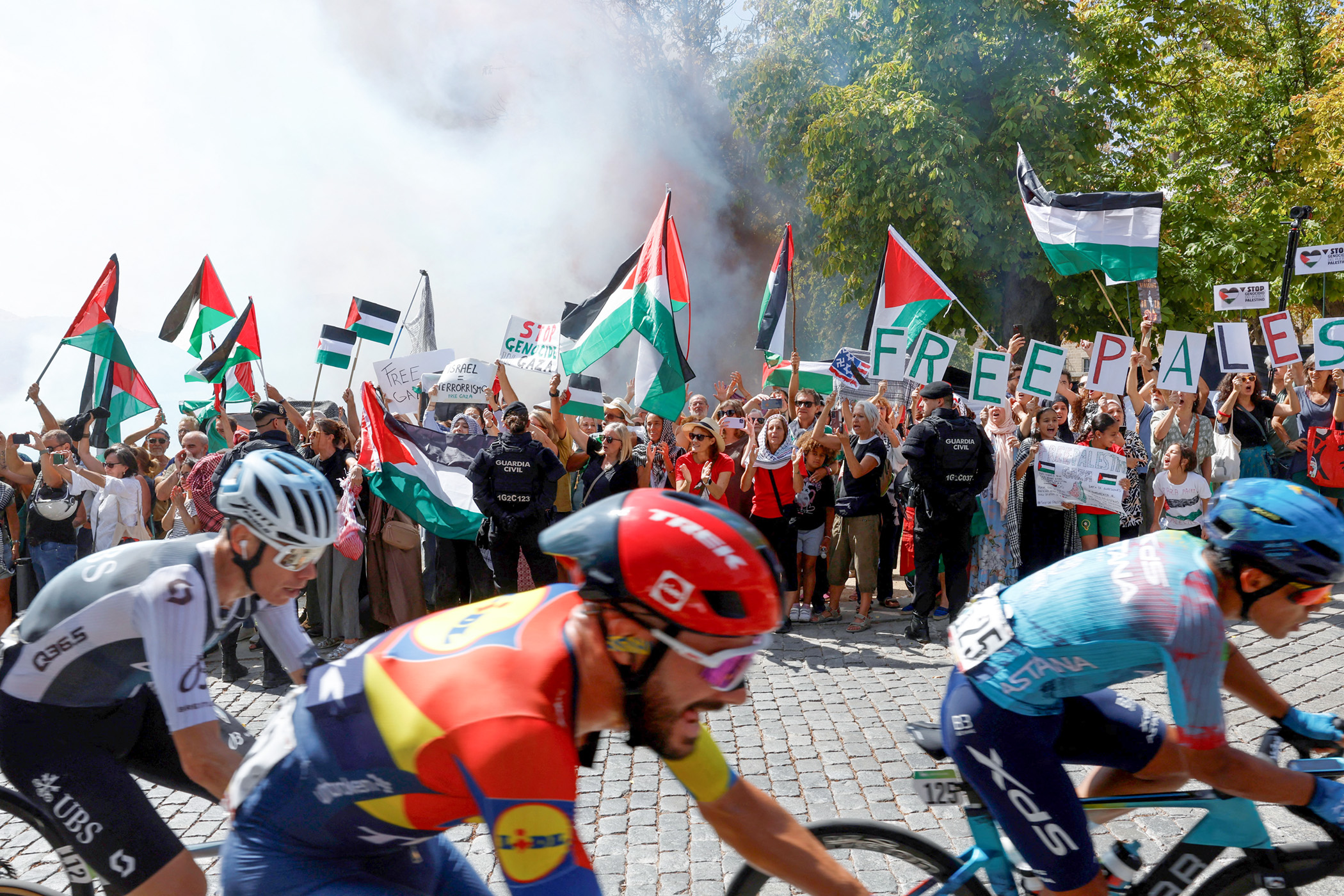
The UCI's Extreme Weather Protocol doesn't mandate full annulment — it gives commissaires discretionary range, and the Vuelta jury chose the most drastic option available. That choice aligns with the 1989 Giro precedent, not the 2019 Tour, where Stage 19 was stopped on Col de l'Iseran and times were taken at the point of neutralisation.
When the Tour stopped Stage 19 in 2019 after a hailstorm and landslide, the results stood to the point of stoppage — classifications shifted, bonuses were awarded, the stage had a de facto winner. The Vuelta's commissaires did something structurally different: the President of the Commissaires' Panel wiped both the intermediate sprint on Col de Mont-Louis and the mountain classification entirely, reverting the race to Stage 2 standings. Full annulment rather than frozen-in-time results is the rarer call, last seen at Grand Tour level in 1989. That distinction matters because the protocol permits both; the difference is a judgment call, not a rulebook inevitability.
Sources